Leadership feedback
A 360-degree review gathers perspectives from the leader, manager, peers, and direct reports on observable leadership behavior.
Clear leadership principles. Honest feedback. Practical development that connects how people lead with how work gets done.
Discuss your leadership challengeMissed commitments, difficult working relationships, and stalled initiatives can have several causes. We look at leadership behavior alongside the processes, responsibilities, resources, and incentives shaping the work.
Compare how you see yourself with how others experience your leadership. Use the findings to identify strengths, examine blind spots, and choose specific behaviors to develop.
A 360-degree review gathers perspectives from the leader, manager, peers, and direct reports on observable leadership behavior.
A selected leadership or behavioral profile explores motivation, communication, decision preferences, and how a person prefers to give and receive direction.
A team review examines shared trust, priorities, responsibilities, cooperation, and accountability. It looks at how the group works together.
Integrity, fairness, humility, moral courage, composure, and responsibility to the organization and its people.
Listening, clarity, tact, empathy, feedback, and handling disagreement.
Professional knowledge, strategic perspective, priorities, sound judgment, and timely decisions.
Clear authority, appropriate supervision, coaching, staffing judgment, and developing others.
Standards, initiative, dependability, follow-through, and sustained commitment to results.
Shared ownership, cooperation, constructive challenge, learning, and effectiveness through change and setbacks.
Engagements focus on the challenge at hand, with clear responsibilities and deliverables.
For a new responsibility, a recurring leadership challenge, or a specific behavior that needs attention.
You receive: a written development plan, scheduled coaching, practical workplace actions, and progress reviews.
A confidential sounding board and independent perspective for difficult decisions, organizational challenges, and change.
You receive: findings, recommendations, an action plan with owners and milestones, and an agreed review schedule.
For emerging leaders and existing teams that need stronger alignment, communication, trust, and accountability.
You receive: tailored development sessions, individual and team commitments, and practical ways to review follow-through.
A focused seminar combining self-awareness, leadership skills, and a business challenge. Four teams work with limited resources, incomplete information, and changing priorities. Rotating responsibilities give each participant opportunities to lead and contribute.
“If you know the enemy and know yourself, you need not fear the result of a hundred battles.”
Sun Tzu, The Art of War · translated by Lionel Giles
James brings over 20 years of Marine Corps service, including combat advisory work with an Iraqi infantry brigade and command of an advisory detachment in Saudi Arabia. His experience advising senior leaders across cultures, combined with more than a decade in pharmaceutical and medical device supply chain operations, grounds the program in practical leadership and execution.
Explore James’s background ↗Marine Corps leadership principles, adapted for the workplace.
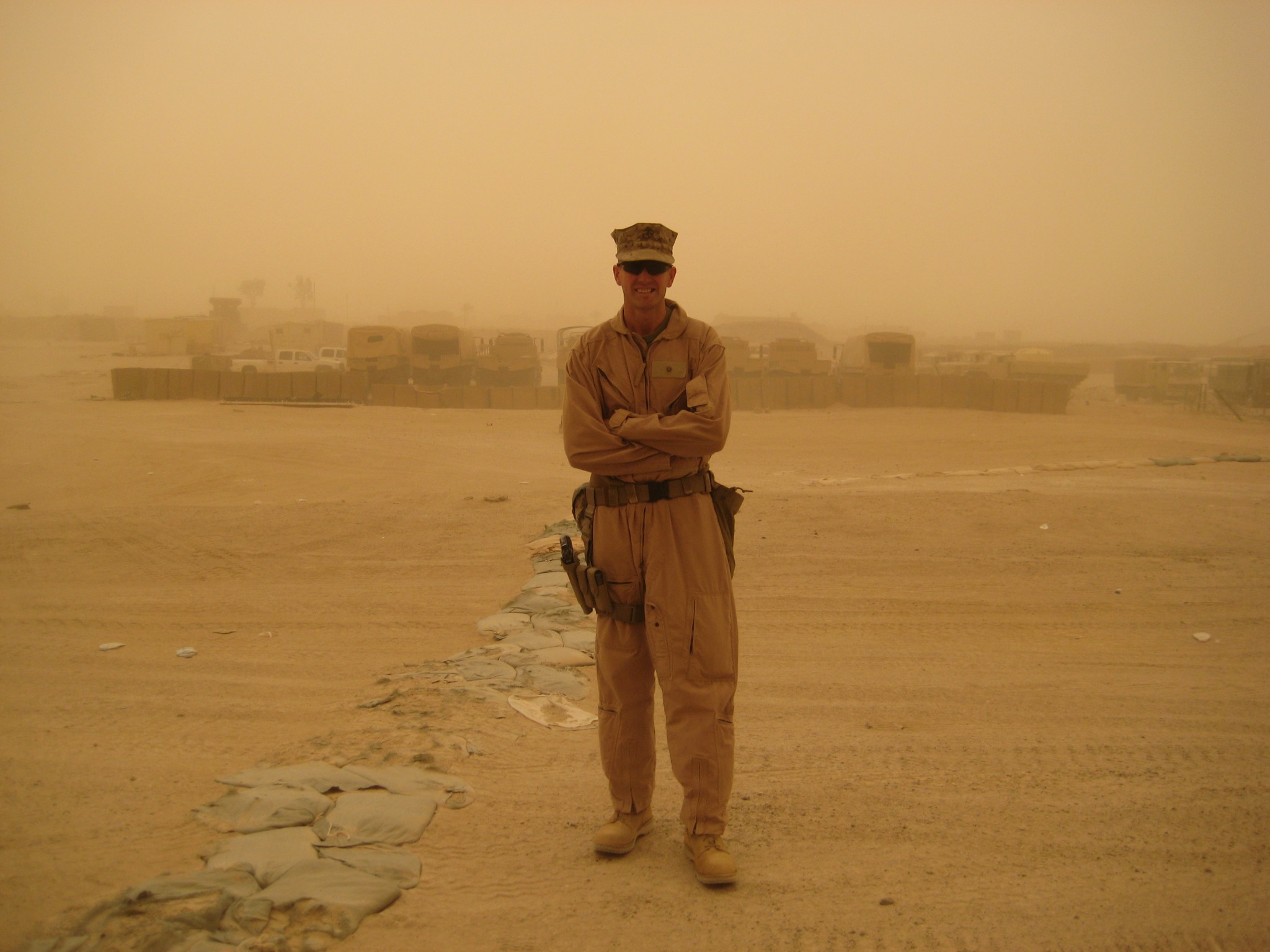
Assessments provide perspective. Clear standards guide development. Exercises and workplace practice turn insight into action.
Start with the problem you are trying to solve. We will help define a focused engagement and explain the work and deliverables.
Discuss your challenge